


As families grow, lifestyles evolve, and needs change, the idea of adding an extension to a house becomes an appealing solution to maximize space and enhance functionality. Whether you’re looking to create extra bedrooms, a spacious kitchen, or a home office, an extension offers the opportunity to tailor your living space to your specific requirements. In this article, we’ll explore the essentials of adding an extension to your house, from planning and design to construction and budget considerations.
1. Careful Planning:
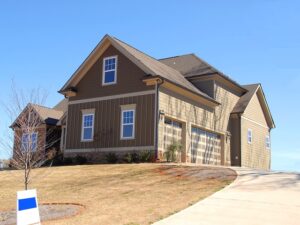
Adding an extension to your house begins with thorough planning. Start by identifying your needs and goals for the extension. Is it an extra living space, a home gym, or a guest suite? Determining your purpose will guide the design and layout.
Consider how the extension will integrate with the existing structure and landscaping. Will it complement the architecture or provide a contrasting modern touch? Evaluate factors like sunlight, ventilation, and privacy to ensure a harmonious blend.
2. Design Considerations:
Engage an architect or designer to help translate your vision into a feasible design. A well-designed extension takes into account the flow of the house, the practicality of the space, and its aesthetic appeal. Look for ways to optimize natural light and ventilation to create a comfortable environment.
Consider the materials that will be used – whether they match the existing house or introduce new textures and colors. Your designer will help strike a balance between your preferences, the structural requirements, and your budget.
3. Permits and Regulations:
Before breaking ground, familiarize yourself with local building codes, zoning regulations, and permits required for your extension project. Depending on your area, certain restrictions may apply, such as setback distances from property lines or height limitations. Applying for permits ensures your project adheres to legal guidelines and avoids potential issues down the road.
4. Budgeting:
A clear and realistic budget is essential for the success of your extension project. Factor in costs for design, materials, labor, permits, and any unexpected contingencies. It’s advisable to set aside a contingency fund to address unforeseen challenges that might arise during construction.
Obtain quotes from different contractors and professionals to get a comprehensive understanding of costs. While it’s tempting to cut corners to save money, remember that quality materials and skilled labor contribute to the longevity and value of your extension.
5. Choosing a Construction Approach:
Extensions can be built using various methods, such as traditional masonry, timber frame, or modular construction. Each approach has its benefits and considerations. Traditional methods offer design flexibility, while modular construction provides faster assembly and reduced disruption.
Consult with professionals to determine the best approach for your project based on factors like timeline, budget, and the overall vision for your extension.
6. Construction Phase:
Once you have your design, permits, and budget in place, the construction phase begins. Depending on the complexity of the extension, construction can take a few months. Regular communication with your builder or contractor is vital to ensure the project stays on track and any potential issues are addressed promptly.
During construction, you’ll witness the transformation of your vision into a tangible reality. Keep in mind that unexpected challenges can arise, so maintaining flexibility and a positive outlook will help manage any hiccups along the way.
Conclusion
Adding an extension to your house is a rewarding endeavor that allows you to tailor your living space to your evolving needs and desires. Through careful planning, thoughtful design, adherence to regulations, and prudent budgeting, you can create an extension that seamlessly integrates with your existing home while providing functional and aesthetic enhancements. Collaboration with professionals, including architects, designers, and contractors, is key to navigating the complexities of the project. With the right approach and a clear vision, your extension project can transform your house into a more spacious, comfortable, and personalized home that suits your lifestyle for years to come.

You've spotted a dip in your asphalt driveway and you're thinking, 'How to repair dips in asphalt driveway?' Don't panic! Read more

Ever wondered how long does asphalt take to dry? You're not alone. It's a common question, especially when you're planning Read more

Ever wondered what's happening when you see those massive machines digging up the earth at a construction site? That's excavation Read more

You've noticed your garage door isn't closing properly, and you suspect it's those pesky sensors. Don't panic! This guide's for Read more